
Стержні канцелярські - page 8
Грифелі і стержні для олівців
Механічні олівці відомі людству вже майже 200 років. Завдяки спеціальним затискачам, стержні для олівця надійно утримуються в корпусі і ніколи випадково не випадуть і не зламаються при заточуванні. Такими олівцями користуються всі - від дошкільнят і простих студентів до знаменитих авіаконструкторів.
Стержні для автоматичних олівців - особливості та переваги
Ваш механічний олівець може працювати практично нескінченно - просто купите кілька упаковок стержнів для цангового олівця. Більше не потрібно без кінця купувати нові дерев'яні олівці і точилки.
- Грифель - залишає чіткий яскравий слід.
- Товщина - стабільна і послідовна лінія.
- Ергономічність - механічний олівець, як і друкарська ручка трохи важче, це набагато зручніше, особливо при тривалій роботі.
- Комфорт - не потрібно заточувати, утилізувати стружку.
- Надійність - можливість сховати грифель всередині корпусу при транспортуванні.
- Ціна - цілком доступна, стрижні для механічного олівця 0-10 однозначно обходяться дешевше, ніж придбання нових олівців.
Чорнографітні і кольорові стержні для механічного олівця «Палей»
Інтернет-магазин канцтоварів «Палей» пропонує купити стержні для механічних і автоматичних олівців, грифелі для циркуля з різними характеристиками. Вибираючи стержні для олівців, звертайте увагу на характеристики:
- Кількість в упаковці.
- Товщина - 0,5-2 мм.
- Величина твердості - B, 2B, H (ідентично маркування М, 2М, Т).
- Бренд.
Можна купити стержні для механічного олівця 2 мм (0-10), 12 штук в упаковці в роздріб або оформити вигідне оптове замовлення, скориставшись системою знижок на великі партії канцелярських товарів. Крім цього, в розділі каталогу «Стержні» можна вибрати різні стержні для ручок - тонкі або об'ємні, звичайні і з гелевим наповнювачем, сині або чорні.
Популярні товари цього розділу в нашому інтернет-магазині
- папки;
- архівні коробки;
- ручки;
- файли;
- олівці для малювання;
- маркери канцелярські.
В інтернет-магазині “Палей” ви можете придбати товари у таких категоріях:
- Вироби з паперу
- Товари для офісу
- Товари для школи і дитячі канцтовари
- Офісна техніка та аксесуари
- Господарські товари
Переваги співпраці з «Палей»
- Максимально простий алгоритм оформлення, конкретизації і підтвердження замовлення.
- Можливість придбати канцелярське приладдя гуртом і в роздріб.
- Безпека, а також бездоганна якість продукції від сертифікованих виробників.
- Оперативна доставка товарів в будь-який регіон України точно в обумовлений термін.
- Лояльні ціни при наявності декількох альтернативних способів здійснення оплати.
Бажаєте купити канцелярію для офісу за низькими цінами? Сміливо звертайтеся до сертифікованого інтернет-магазину «Палей» прямо зараз!
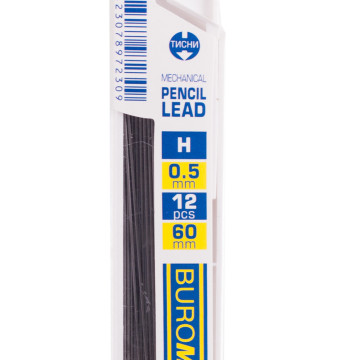
Грифелі для олівців Н 0,5мм 12 шт BM 8662
Стрижні до механічних олівців, H, 0,5 мм, 12 шт. BM.8662..
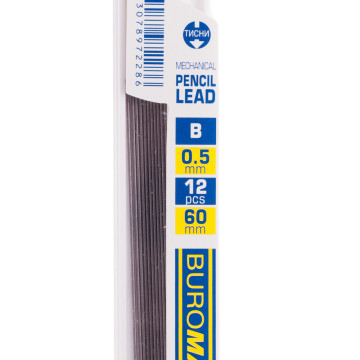
Грифель для олівців B 0,5 мм 12шт BM 8661
Стрижні до механічних олівців, B, 0,5 мм, 12 шт. BM.8661..
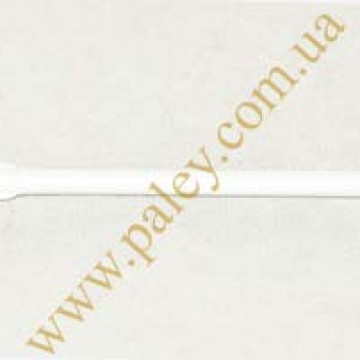
Стержень 107 мм. Economix .син.Е10601
Канцтовари,Стержні Стержень 107 мм. Economix .син.Е10601 93086..
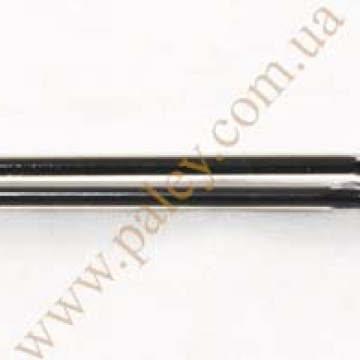
Канцтовари,Стержні Стержень 107 мм. LR 106 син. 93062..
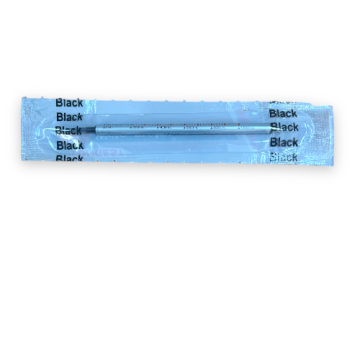
Стержень 118 мм Flair 743 чорний 10км
Стержень кульковий 118 мм Flair Writometer для 743 чорний 10км. 24355..
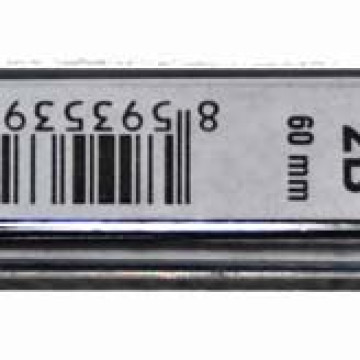
Стержень K-I-N 0.5 "2В" грифель
Набір із 12 стержнів до автоматичного олівця діаметром 0,5 мм, м"якості - 2В...
Стержень K-I-N 0.5 "В" грифель
Набір із 12 стержнів до автоматичного олівця діаметром 0,5 мм, м"якості - В...
Набір із 12 стержнів до автоматичного олівця діаметром 0,5 мм, м"якості - Н...
Канцтовари,Стержні Стержень Maxriter Piano чорн. 93082..
Канцтовари,Стержні Стержень Maxriter Cello син. 93050..