How to reduce household goods costs for business: a systematic approach without losing quality
Business overhead expenses are one of the most underestimated line items in a company’s budget. Offices, warehouses, production, stores, and HoReCa use consumables every day, but few people control these expenses systematically.
As a result, companies overpay by 20–40% simply due to incorrect purchasing. And the most interesting part is that it can be fixed without reducing quality.
In this article, we’ll look at how businesses can truly reduce spending on household goods and build an effective procurement system.
Where businesses lose money on household goods
The problem is almost never in the product itself. It’s in the approach:
- purchasing “as supplies run out”
- working with different suppliers without a system
- focusing only on the lowest price
- lack of usage control
For example, cheap consumables end up running out faster or breaking, which ultimately increases costs.
1. Switch to wholesale purchases
A basic step that delivers an immediate effect is buying in bulk. This is especially relevant for regular items: consumables, packaging, cleaning supplies.
You can explore the full range in the household goods category, where solutions for different business needs are collected.
What wholesale gives:
- a lower price per unit
- less operational overhead
- stable supply
2. Optimize product specifications
One of the most common reasons for overspending is choosing the wrong products.
Typical situations:
- materials that are too thin — wear out quickly
- excess density — paying more than necessary
- an unsuitable volume or format
Choosing the right option helps reduce costs without changing the supplier.
3. Centralize procurement
When different departments purchase separately, the company loses money.
A centralized system provides:
- spend control
- coordinated purchasing
- better terms from suppliers
In practice, it’s a shift from chaos to a managed process.
4. Work with a single supplier
Constantly searching for “where it’s cheaper” seems logical, but in practice it increases time costs and creates risks.
A reliable supplier provides:
- stable prices
- priority service
- fewer ordering mistakes
This is especially important for businesses with regular purchases.
5. Plan instead of reacting
Purchasing “when it has already run out” is one of the most expensive models.
What to implement:
- analysis of monthly usage
- building a stock level
- planned purchases
This helps avoid urgent orders at inflated prices.
6. Control actual usage
Businesses often don’t know how much material is actually consumed.
Without this, it’s impossible to optimize expenses.
- introduce tracking/accounting
- set a usage standard
- identify overconsumption
7. Focus on quality, not the minimum price
The biggest mistake is focusing only on low cost.
Cheap products often mean:
- more frequent purchases
- more wastage/write-offs
- additional time costs for staff
Quality consumables last longer and deliver real savings.
Conclusion
Reducing spending on household goods is not a one-time decision, but a systematic approach. A business that controls procurement gets stable savings and better process manageability.
Start with the basics: optimize purchasing, choose a reliable supplier, and implement planning—then the results will be noticeable in the coming months.
Related Products
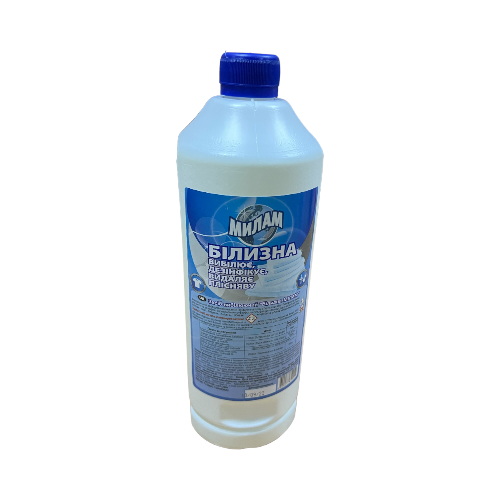
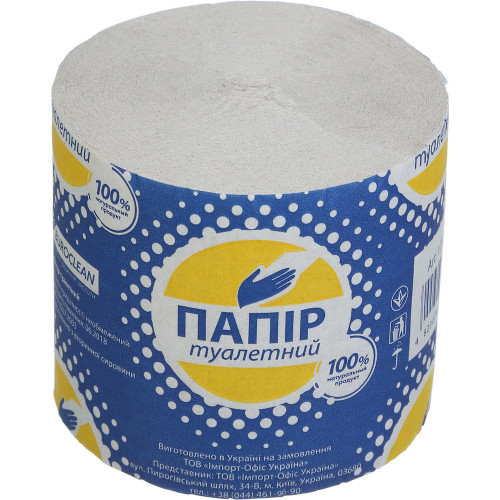
Toilet paper,Household goods Toilet paper Buroclean 80770 80770..
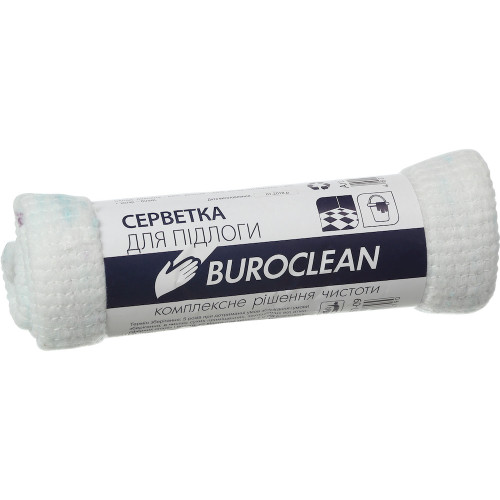
Floor cloth 50х70см, 10200151-09
Floor cloth b/n, 50х70см, white, Buroclean 10200151-09. Cloth for floor, cotton. Color: white; size: 500х700мм; material: 69% cotton, viscose-25% filament polyester-6%. Made of high quality material. ..
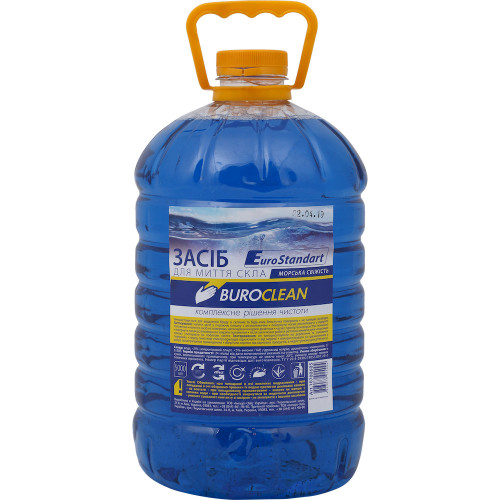
Means for washing of glasses Buroclean 5L marine freshness 10700605 is used to remove dirt from the window, plate and auto glass, mirrors, glazed tile, exterior surfaces of appliances, chrome-pla..
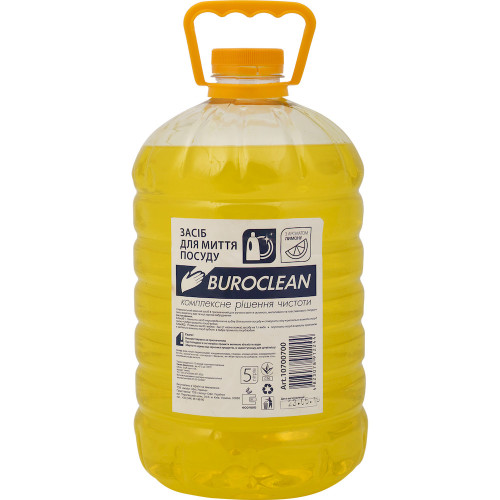
The d / tableware ECO 5L LEMON 10700700
The d / utensils BuroClean ECO 5L LEMON 10700700. Universal cleaner quickly and easily removes traces of grease even in cold water. It is used for washing glass, metal and plastic ware and f..
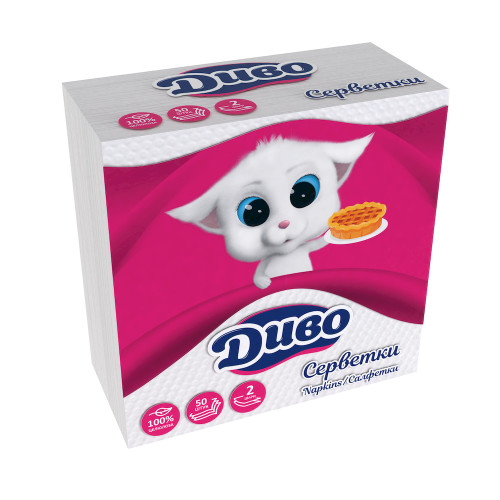
wipes a Miracle, 240*240, 50pcs white
Introducing Miracle Wipes, a premium solution for versatile cleaning and sanitization needs. Measuring 240x240mm, each wipe is designed for optimal performance, providing ample surface coverage for ef..
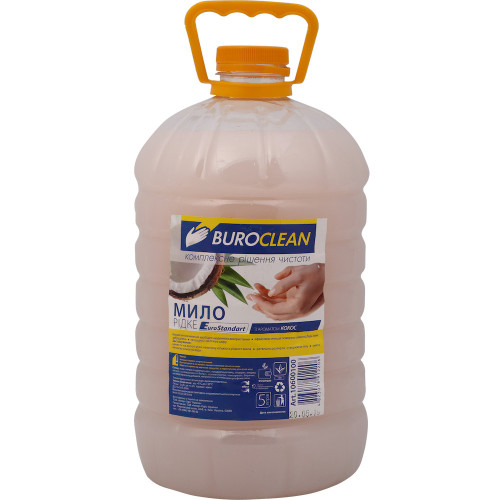
Liquid soap BuroClean COCONUT 5L
Liquid soap BuroClean EuroStandart COCONUT 5L. a Cosmetic cleanser for daily use, effectively cleanses the skin surface from any dirt, does not dry and tightens the skin. A volume of 5 l, fragrance ..
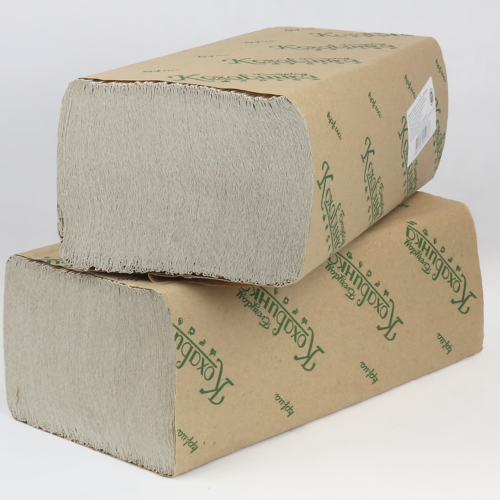
Paper towels makul KOHAVYNKA 9610
Recycled paper towels Z-shaped 23x22 cm, 200 sheets, gray KOHAVYNKA 00-00009610 ..